When Is the Best Time to Visit Japan? A Season-by-Season Guide (2026)
⏲ 9 mins read · last updated September 2026
One of the first questions we hear from travellers planning a trip to Japan is simple: when should I go? This guide breaks down the best time to visit Japan by season — covering weather, crowds, what to expect, and the insider perspective that only comes from having lived there for 10 years.
Japan Travel Month by Month: Quick Reference Guide
Not sure where to start? Here's a quick overview of what to expect month by month:
| Months | Conditions | Crowds |
|---|---|---|
| Jan - Feb | Snow season, onsen at its best, cold | Low — best value |
| Mar - Apr | Cherry blossom, mild weather | Very high |
| May | Pleasant, post-sakura calm, underrated | Moderate |
| Jun | Rainy season, lush green, hydrangeas | Low |
| Jul - Aug | Festival season, hot and humid | High (domestic) |
| Sep | Transition month, possible typhoons | Moderate |
| Oct - Nov | Autumn foliage, ideal conditions | High |
| Dec | Quieter, festive illuminations | Low - moderate |
October is the sweet spot — foliage without the November crowds.
Spring in Japan (March–May): Cherry Blossom Season
Spring is Japan's most iconic season. From late March through April, cities like Tokyo and Kyoto transform with soft pink cherry blossoms (sakura), and locals gather for hanami (flower viewing) in parks, along rivers and beneath castle walls. It's one of the most beautiful travel experiences in the world.
That said, spring is also Japan's busiest travel period. Accommodation books out months in advance, popular spots fill quickly, and prices reflect the demand. If this is your first Japan trip, it's absolutely worth it — but planning well ahead is essential. For guidance on how much to budget for a Japan trip, see our dedicated guide.
Sakura bloom timing varies each year, typically arriving in late March in Tokyo and early April in Kyoto, and the peak bloom window is often just 7–10 days. The other key date to watch is Golden Week (late April to early May), Japan's busiest domestic travel period — if your dates are flexible, it's worth planning around it entirely.
Best for: first-time visitors, bucket-list Japan travel experiences, couples and romantic trips

a.o.mi’s insider note
Cherry blossom timing is unpredictable — the bloom window is often just 7–10 days. I always advise building flexibility into your dates rather than locking in a single week months ahead. Early April in Kyoto tends to be slightly more reliable than Tokyo for catching the peak.
💡 Why does the "official" cherry blossom date sometimes not match what you see in the park?
Japan's bloom announcements aren't a citywide average — each city has one designated reference tree that meteorologists check daily (Tokyo's is at Yasukuni Shrine, Kyoto's at Nijo Castle), and the declaration fires the moment that single tree shows 5–6 open blossoms. That means the official date can run a few days off from what's actually happening at the specific park or garden you're visiting. Treat the citywide announcement as a rough signal, not a booking date — check location-specific bloom reports in the week before you travel.
Summer in Japan (June–August): Festivals, Energy and Culture
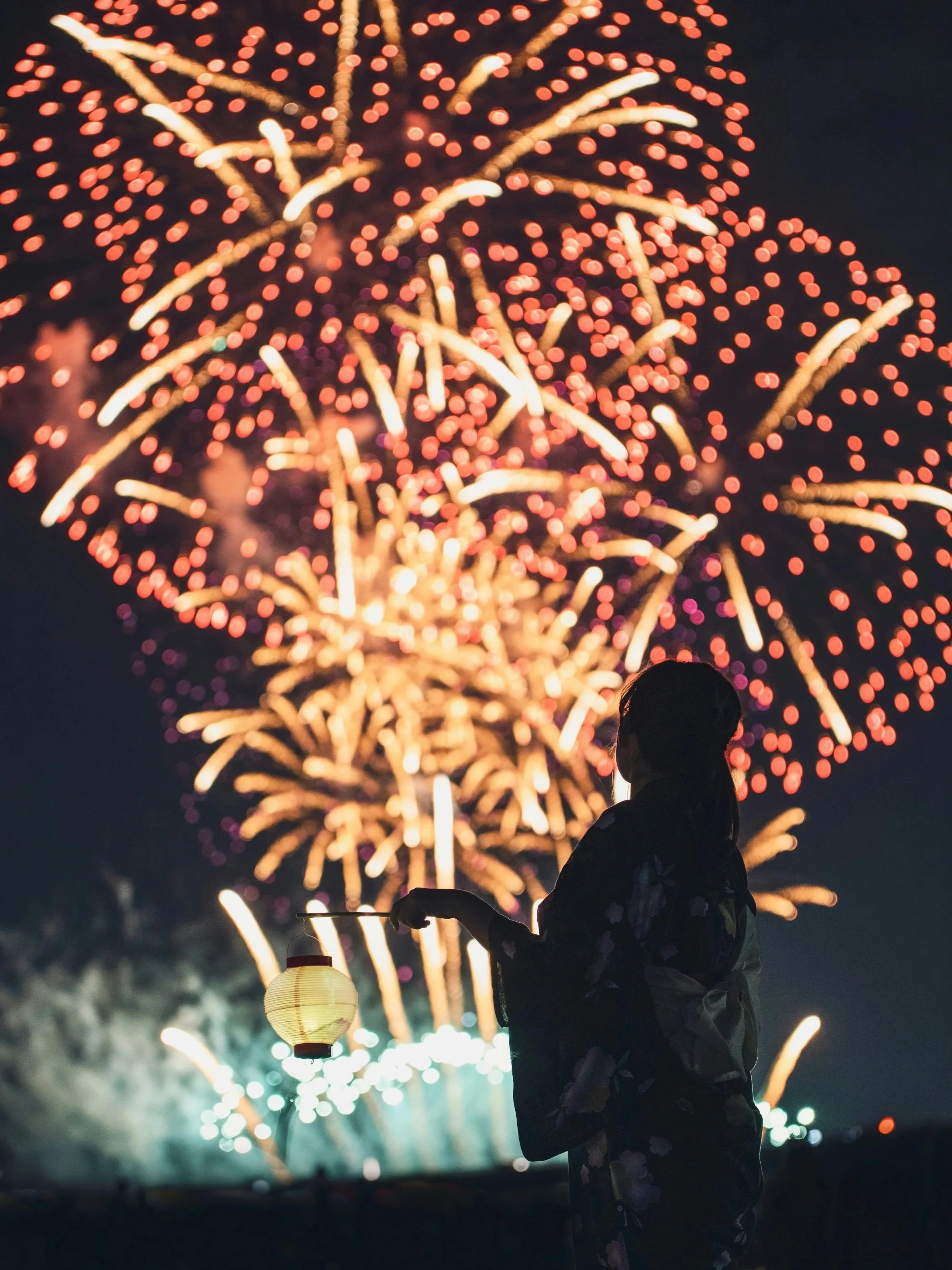
Summer brings a completely different side of Japan — vivid, energetic and deeply cultural. It's festival (matsuri) season, with events like Gion Matsuri in Kyoto drawing enormous crowds. Across the country, fireworks festivals (hanabi) light up summer evenings in a way that feels uniquely Japanese.
The trade-off is the heat. June brings the rainy season (tsuyu), and July–August are hot and humid — particularly in Tokyo and Osaka. The mountain areas like Nikko and the Japanese Alps are significantly cooler and beautiful in summer — worth factoring into your Japan itinerary. Obon (mid-August) is a significant cultural period when many Japanese travel domestically, pushing hotel rates and transit demand sharply higher — plan around it the same way you would Golden Week. For getting between cities during summer's busiest weeks, see our Japan transport guide.
One of the best summer strategies is structuring days around the heat: early mornings for sightseeing, afternoons in air-conditioned museums and depachika food halls, and evenings around festivals and fireworks.
Best for: culture-focused travellers, Japan festival experiences, repeat visitors wanting something different

a.o.mi’s insider note
Summer gets a bad reputation for the heat — and it is genuinely hot. But the festival atmosphere is unlike any other time of year. Plan your evenings around festivals and fireworks, explore early mornings before the heat builds, and use afternoons for air-conditioned museums and depachika food halls.
💡 Why is Tokyo's Obon in July when the rest of the country's is in August?
Most of Japan observes Obon in mid-August (13–16 August), but Tokyo and pockets of Kanagawa, Shizuoka and Ishikawa keep to mid-July — a split left over from the Meiji-era calendar reform, when farming regions elsewhere needed the extra month before harvest. The nationwide domestic travel crush — packed trains, spiking hotel rates, queues everywhere — still centres on mid-August, while Tokyo runs its own quieter, separate Obon week in mid-July. If your trip covers Kansai or regional Japan in August, plan around it like Golden Week; if you're Tokyo-only, mid-July is a genuinely calmer window than the mid-August peak most guides warn about.
Autumn in Japan (September–November): The Best Overall Season
If you ask most experienced Japan travellers — or anyone who has lived there — autumn is the answer. Cool, comfortable weather, extraordinary foliage and slightly fewer crowds than spring make October and November the ideal conditions for almost every type of Japan travel.
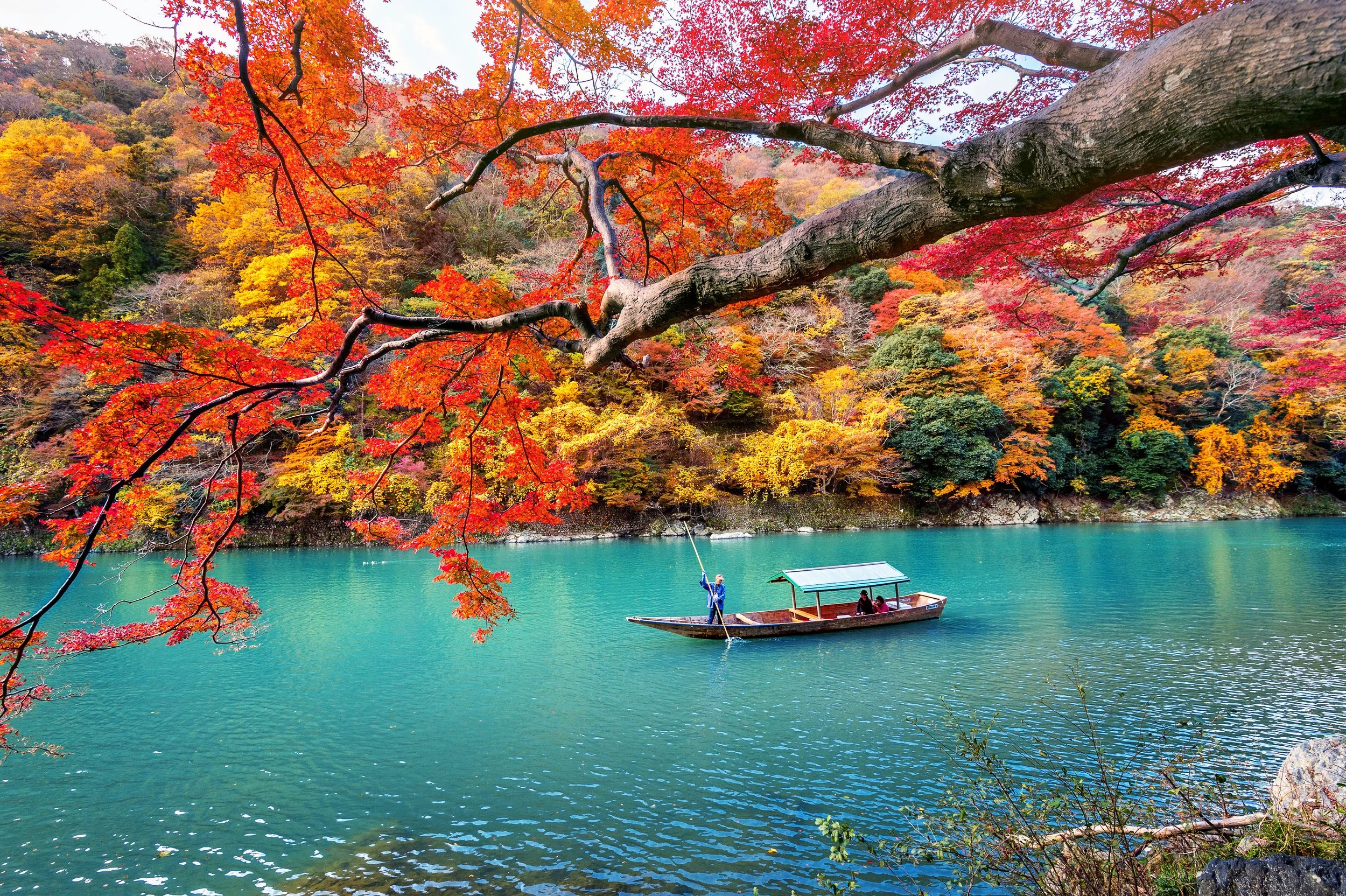
Maple leaves (koyo) turn vivid shades of red and gold from late October through November, particularly in Kyoto's Eikan-do and Tofuku-ji temple gardens, Nikko and regional areas that many first-time visitors never reach. September can bring typhoons, so it's worth monitoring weather forecasts if you're travelling early in the season — but from October onwards, conditions are consistently excellent. For the best places to stay during autumn foliage season, see our guide to where to stay in Japan. This is also one of the best seasons for regional Japanese food — autumn brings matsutake mushrooms, sanma and seasonal kaiseki menus across Kyoto and the Kansai region.
Best for: luxury Japan travel, photographers, relaxed itineraries, ryokan stays, repeat visitors

a.o.mi’s insider note
Autumn is my personal favourite season in Japan — and the one I recommend most often for first-time visitors who have flexibility. The foliage in Kyoto's Eikan-do and Tofuku-ji temples is extraordinary. October also tends to be the sweet spot before the November crowds build — perfect conditions with more space to breathe.
💡 Why does the foliage forecast shift every year instead of landing on the same dates?
Japan's autumn colour isn't tracked by the calendar — meteorologists trigger it off a temperature threshold, watching for the first run of nights where the low drops below 8°C, the point at which chlorophyll breaks down and the red and gold pigments take over. That's why koyo can run a week or two earlier or later than "usual," and why regions move at different speeds — Hokkaido and the mountains cool first, Kyoto and Kyushu lag by several weeks. Treat late October to mid-November in Kyoto as the reliable window, and check the Japan Meteorological Association's regional forecast closer to travel if you're heading somewhere more temperature-sensitive.
Thinking about an autumn Japan trip? We'd love to help you plan it — start planning your Japan journey.
Winter in Japan (December–February): Snow, Onsen and Serenity
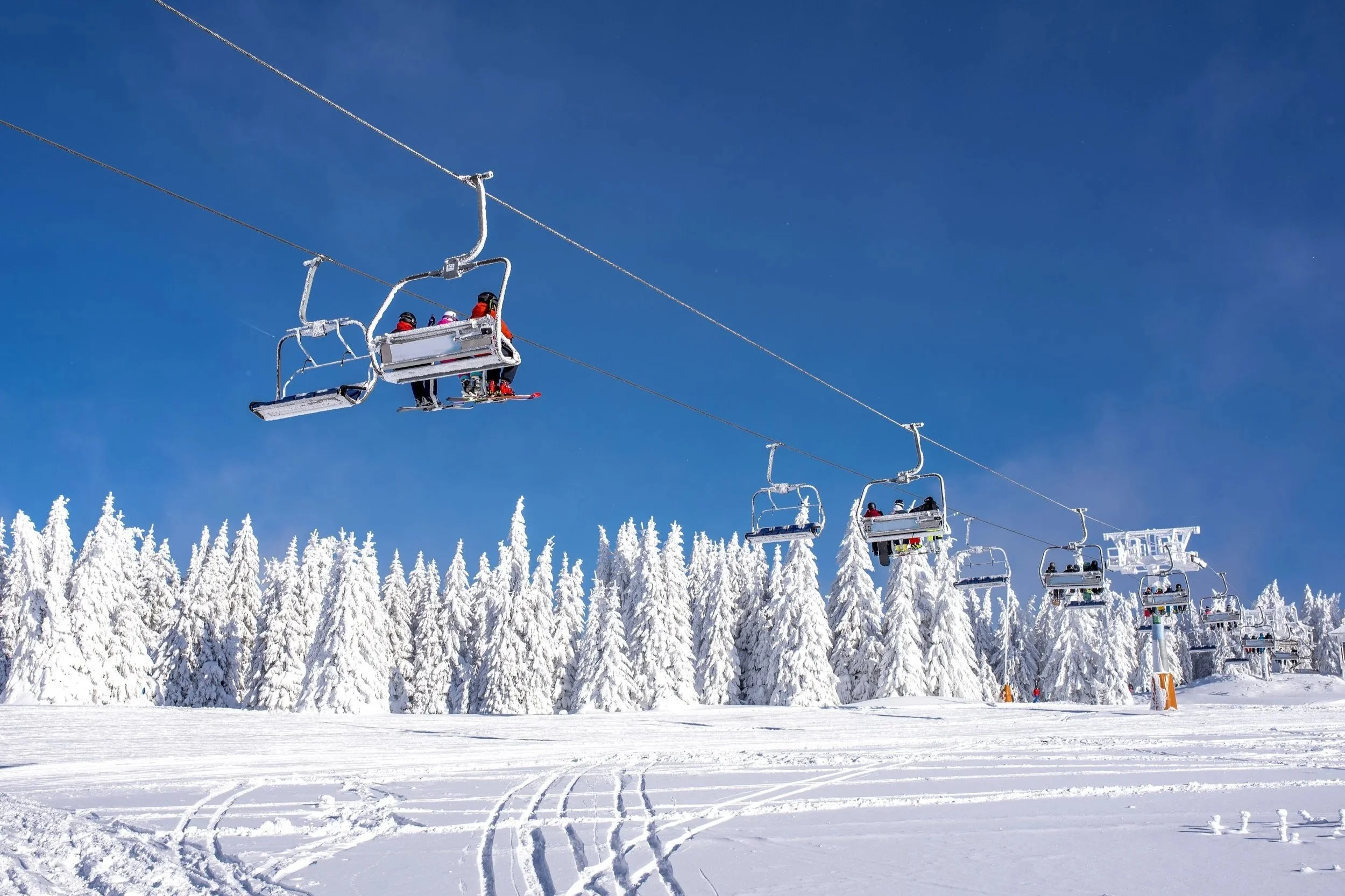
Winter is Japan's most underrated season — quieter, more atmospheric and often significantly better value than peak seasons. For ski travel, Japan's powder snow — particularly in Hokkaido and Nagano — is considered some of the best in the world. And winter is peak onsen season: soaking in an outdoor hot spring while snow falls around you is one of those Japan experiences that never leaves you.
January and February are the best months for budget-conscious travellers, with lower accommodation rates, easier restaurant reservations and fewer crowds in major cities. Temperatures are cold but manageable — sub-zero in Hokkaido and mountain regions, but milder in Tokyo and Kyoto (3–10°C) where layers are essential but comfortable. The Sapporo Snow Festival in early February is one of Japan's most spectacular winter events and well worth building a Hokkaido leg around.
For the best places to stay for a winter Japan trip — including ryokan stays with outdoor onsen in Hakone, Kinosaki and the Japanese Alps — see our full accommodation guide. For Japan trip costs and value tips, January and February consistently offer the best rates. And for getting to ski resorts and onsen towns by Shinkansen, our transport guide covers the options.
Best for: Japan ski trips, luxury Japan travel, onsen experiences, slower-paced itineraries, travellers seeking fewer crowds

a.o.mi’s insider note
Winter in a traditional ryokan with an outdoor onsen is one of my favourite Japan experiences. Kinosaki Onsen, Gero Onsen and the Hakone area are all exceptional in winter. For skiing, Niseko in Hokkaido has become well-known internationally, but Hakuba in Nagano and Nozawa Onsen offer equally good conditions with a more traditional atmosphere.
💡 Why are Shinkansen tickets actually cheaper in January and February — not just hotels?
JR classifies early January through the end of February as kansan-ki (off-peak), which means reserved-seat surcharges are ¥200 less per leg than during regular periods — and ¥600 less than the sai-hanbō-ki (peak) surcharge that applies during Golden Week, Obon and year-end holidays. The difference is modest on a single journey, but it stacks up across a multi-city itinerary with several Shinkansen legs. More importantly, the classification reflects genuinely quieter trains — not just lower prices — which makes the whole travel experience between cities noticeably more comfortable.
So When Should You Visit Japan?
The honest answer — it depends on what kind of trip you want. But here's how I'd summarise it:
For your first trip, aim for late March to early April for cherry blossoms, or late October to November for autumn foliage — both offer Japan at its most visually stunning.
For fewer crowds and better value, January and February are genuinely underrated — quieter, more atmospheric, and significantly easier to get into popular restaurants and experiences.
For a deeply cultural experience, summer's festival season offers something no other time of year can match.
And if you want the full Japan experience — onsen, snow, traditional ryokans and mountain scenery — winter deserves far more credit than it gets.
The time of year shapes more than just the weather — it affects hotel availability and pricing, which experiences are bookable, how crowded popular sites will be, and which regional destinations are at their best. Getting the timing right is one of the most valuable things a good Japan travel planner can help you with — and it's one of the first things we discuss with every client. For a full cost breakdown by season, see our Japan trip cost guide for Australians.
Frequently asked questions
When is cherry blossom season in Japan in 2026?
Cherry blossom season typically arrives in late March in Tokyo and early April in Kyoto, though exact timing varies each year depending on winter temperatures. The bloom window is usually 7–10 days at peak — build flexibility into your travel dates if cherry blossoms are the priority. For help timing your trip around the bloom, see our travel planning services.
What is the cheapest time to visit Japan from Australia?
January and February offer the best value for Australian travellers — lower accommodation rates, easier restaurant reservations, fewer crowds in major cities, and even Shinkansen fares are reduced under JR's off-peak pricing structure. See our full Japan trip cost guide for a detailed breakdown by season.
What is Japan like in October?
October is one of the best months to visit Japan — autumn foliage begins building from mid-October, the weather is cool and comfortable, and crowds are lighter than the November peak. It's the sweet spot of the autumn season and our most recommended month for first-time visitors with flexible dates. For where to base yourself, see our accommodation guide.
Should I avoid Golden Week in Japan?
Yes, avoid it if you can — Golden Week (late April to early May) is Japan's busiest domestic travel period, and trains, popular attractions and accommodation fill quickly with prices rising sharply. If your dates do overlap, book everything well in advance and build extra time into transit between cities. Our transport guide overs how to navigate Japan's busiest travel windows.
How does timing affect where I should stay in Japan?
Timing affects availability, pricing and which areas are at their best — spring and autumn require earlier booking windows, particularly for ryokans and well-located Kyoto hotels. Winter opens up value options that are booked out in peak seasons, and summer rewards travellers who build mountain areas into their route. See our full guide to where to stay in Japan for city-by-city recommendations and seasonal booking advice.
You might also find these useful
→ How much does a trip to Japan cost from Australia?
→ Japan Travel Guide: everything you need to know before you go
→ Where to stay in Japan: best areas and accommodation for every travel style
→ The perfect 14-day Japan itinerary for first-time visitors
→ Japan Transport Guide: Trains, IC Cards & Getting Around
→ What to eat in Japan: a food guide for first-time visitors
plan your personalised japan journey
tell us about your trip and we'll be in touch within 1–2 business days to start designing your itinerary.
start planning my trip